
Why Press-On Nails Fit Differently After They’re Polished and Cured
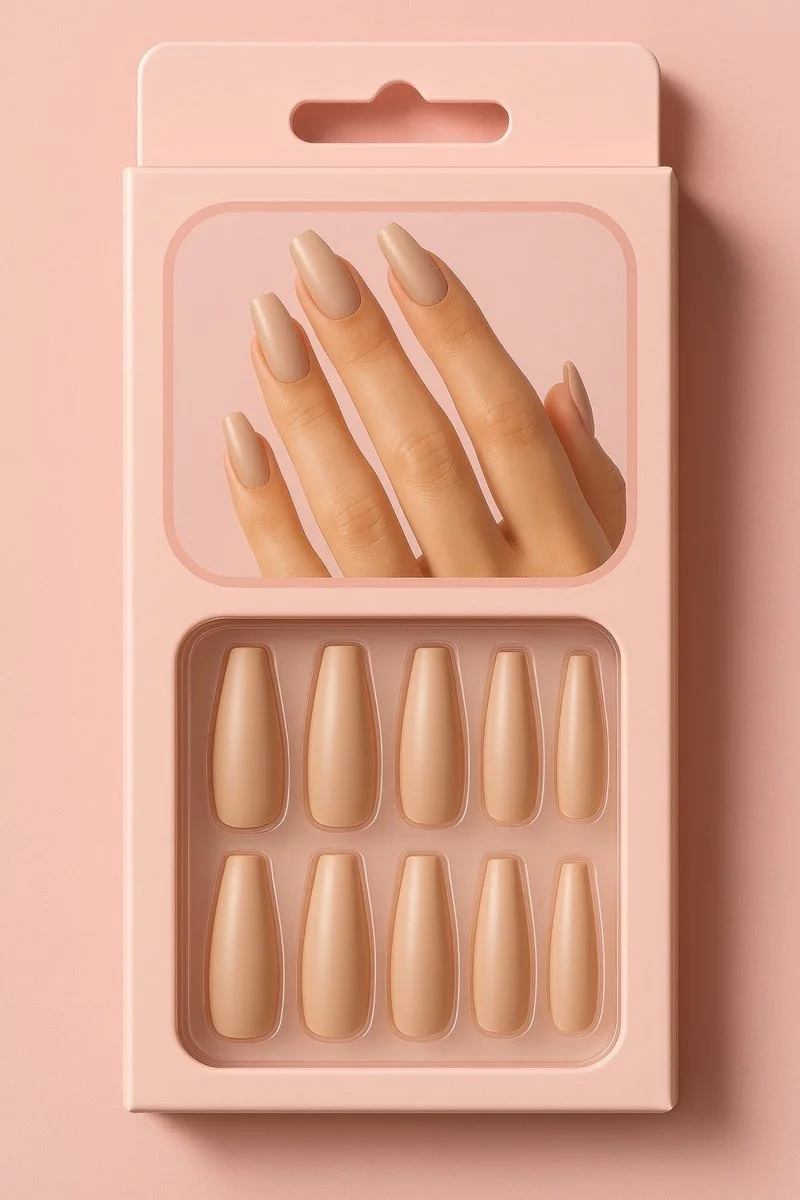
If you’ve ever sized press-on nails and later noticed the finished set feels slightly different once it arrives, you’re not imagining things. This is a common experience, especially for those new to press-on nails.
The reason comes down to how nail materials behave during the design and curing process. Once nail tips are layered with gel products and cured under a lamp, they become more structured and rigid. This added strength gives press-on nails their salon-quality finish, but it can also slightly change how the nail sits on the natural nail.
Understanding this process can help set realistic expectations and make it easier to achieve a comfortable, natural-looking fit.
What Happens to Nail Tips During the Design Process
Before any color, gel, or nail art is applied, most press-on nails begin as flexible pre-shaped tips. At this stage, the material has a small amount of flexibility that allows it to adapt slightly to different nail shapes.
Once the design process begins, the structure of the nail changes.
Gel Layers Build Structure
Each layer of gel polish, builder gel, or nail art adds thickness to the nail. These layers contribute to the durability and finished appearance of the press-on set.
The Curing Process Hardens the Nail
After each layer is applied, the nail is cured under a UV or LED lamp. This process hardens the gel and locks the design in place.
While curing creates the smooth, glossy finish associated with professional manicures, it also reduces the flexibility of the original tip.
Slight Shrinkage Can Occur
Some gel and acrylic products naturally tighten or shrink slightly during curing. This can cause the nail to become a bit more curved than the original blank tip used during sizing.
The amount of change can vary depending on the materials used and the brand of nail tips, since different products respond differently during curing.
Why This Matters for Nail Comfort
Because the finished nail becomes more structured, it may not flex around the natural nail in the same way as an unpolished tip.
For some people, this means the finished nail may feel:
slightly more curved
a bit more structured
less flexible than the original sizing tip
This is completely normal and simply reflects the structural strength created during the gel curing process.
Small Adjustments Can Improve the Fit
Even with these structural changes, press-on nails can usually be adjusted slightly to better match the natural nail.
Minor refinements—such as gently filing the sides of the press-on nail—can make the nails feel much more comfortable once applied.
During the sizing process, it’s also helpful to keep a few things in mind to improve accuracy. When measuring your nails, place the nail tip lightly just below the cuticle area where the nail bed is typically the widest. Avoid pressing the tip down onto the nail to make it fit. If the nail only fits when pressure is applied, it is likely too small and may feel even tighter once the nail has been polished and cured.
Because gel layers and curing can slightly increase the structure of the nail, it can also be helpful to size up by about half a size to one full size when a tip feels snug during sizing. Larger nails can always be refined by gently filing the sides for a more customized fit.
For the most accurate sizing, always measure nails on clean, bare natural nails without polish or product, as this allows the nail tip to sit naturally on the nail plate.
Using Heat to Adjust the Shape of Press-On Nails
If the curvature of a press-on nail doesn’t perfectly match your natural nail bed, gentle heat can help make the material temporarily more flexible.
This allows the nail to be slightly reshaped so it sits more comfortably.
Warm Water Method
Placing the press-on nails in hot (not boiling) water for about 30–60 seconds can soften the material slightly. Once warmed, the nail can be gently adjusted to better match the shape of the nail bed.
This method can be especially helpful for people with flatter nail beds, since some nail tips are naturally more curved.
Hair Dryer Method
Another option is using a hair dryer on low to medium heat for about 10 seconds. The gentle warmth softens the nail slightly, allowing you to adjust the curvature if needed.
This method can also help make adhesive tabs more flexible, allowing them to conform more easily to the natural nail during application.
Safety Tips
When using heat to adjust press-on nails, keep a few precautions in mind:
Avoid boiling water, which can distort the shape of the nail.
Do not overheat the nails with a hair dryer.
Allow the nail to cool before applying adhesive so it maintains its adjusted shape.
It’s also important to note that prolonged exposure to hot water after press-on nails are already applied can weaken the adhesive, which may cause them to lift sooner.
Understanding the Structure of Press-On Nails
Press-on nails are designed to mimic the strength and appearance of a professional gel manicure. Because of this, the finished nails will naturally be more structured than the blank tips used before the design process.
This added structure helps press-ons:
maintain their shape
support detailed nail art
provide a durable, salon-quality finish
With the right preparation and small adjustments when needed, press-on nails can still feel comfortable while delivering a polished and refined look.
Thoughtfully Designed Press-On Nails
At Daily Pressed Nails, every press-on nail set is handcrafted with attention to both structure and everyday comfort.
Understanding how press-on nails are designed—from the original nail tip to the finished cured set—can help you achieve the best possible fit and enjoy a manicure that looks polished and feels natural.
